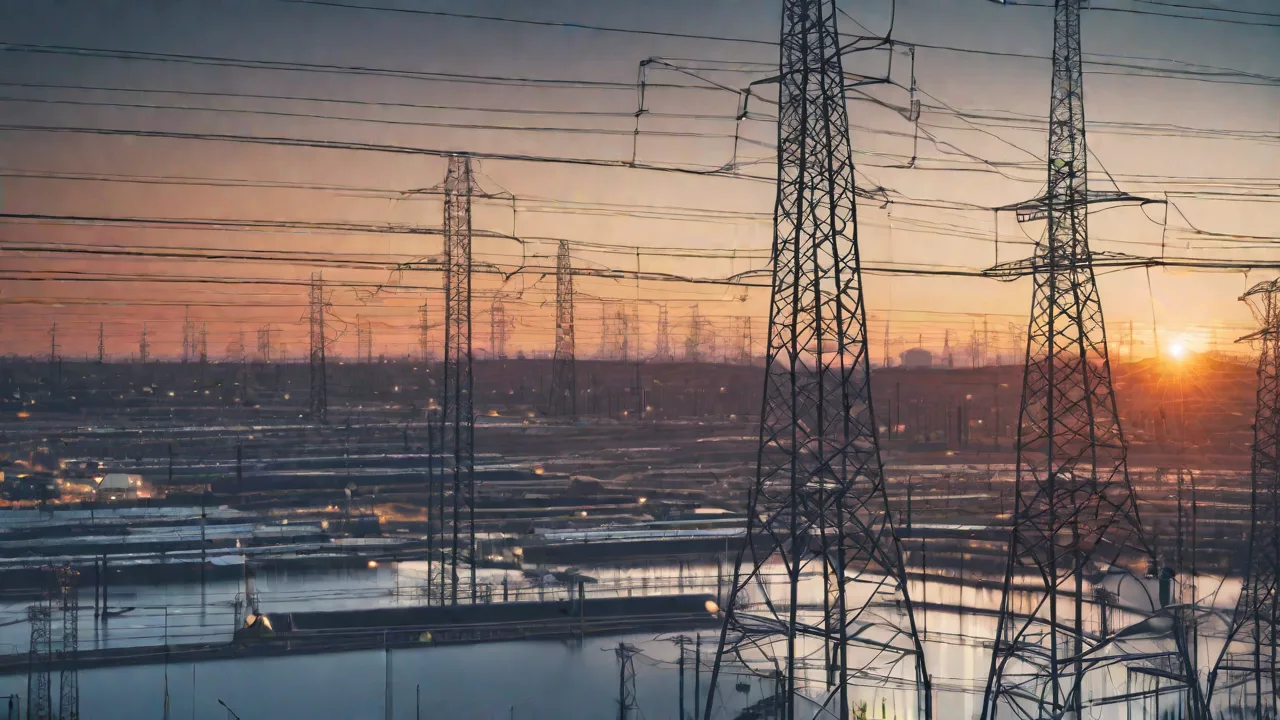
How Electric Utilities Are Using Blockchain Technology for Outage Management and Data Security
Electric utilities are increasingly exploring innovative technologies to improve their services. One such technology gaining traction is blockchain, known for its secure and transparent data handling capabilities.
Understanding Blockchain Technology
Blockchain is a distributed ledger system that records transactions across multiple computers. This decentralization ensures that data is secure, tamper-proof, and transparent. Originally developed for cryptocurrencies, blockchain's potential extends far beyond digital money, especially in sectors like energy and utilities.
Application in Outage Management
Electric utilities face challenges in managing outages efficiently. Blockchain offers solutions by providing real-time, immutable records of grid data. When an outage occurs, blockchain can track the event, verify the cause, and streamline communication between field workers and control centers.
For example, blockchain-based systems can log maintenance activities, monitor grid health, and automatically trigger alerts. This reduces downtime and improves response times, ultimately enhancing customer satisfaction.
Enhancing Data Security
Data security is critical for electric utilities, which handle sensitive customer information and operational data. Blockchain's decentralized structure makes it difficult for hackers to alter records, reducing the risk of cyberattacks.
Utilities are implementing blockchain to secure data exchanges between devices, sensors, and management systems. This ensures data integrity, prevents fraud, and maintains compliance with regulatory standards.
Real-World Examples
- Con Edison: Uses blockchain to verify and track renewable energy credits, ensuring transparency and trust.
- Enel: Implements blockchain for peer-to-peer energy trading, facilitating decentralized energy markets.
- Australian Utilities: Exploring blockchain for outage management and data sharing across the grid.
These examples demonstrate the growing adoption of blockchain technology in the energy sector, promising more secure and efficient utility operations in the future.
Future Outlook
As blockchain technology matures, its integration into utility systems is expected to deepen. Innovations like smart contracts and decentralized energy grids could revolutionize how utilities manage outages and protect data.
For educators and students, understanding blockchain's role in utilities offers insights into the intersection of technology and infrastructure. It highlights how digital innovations can solve real-world problems and improve everyday life.