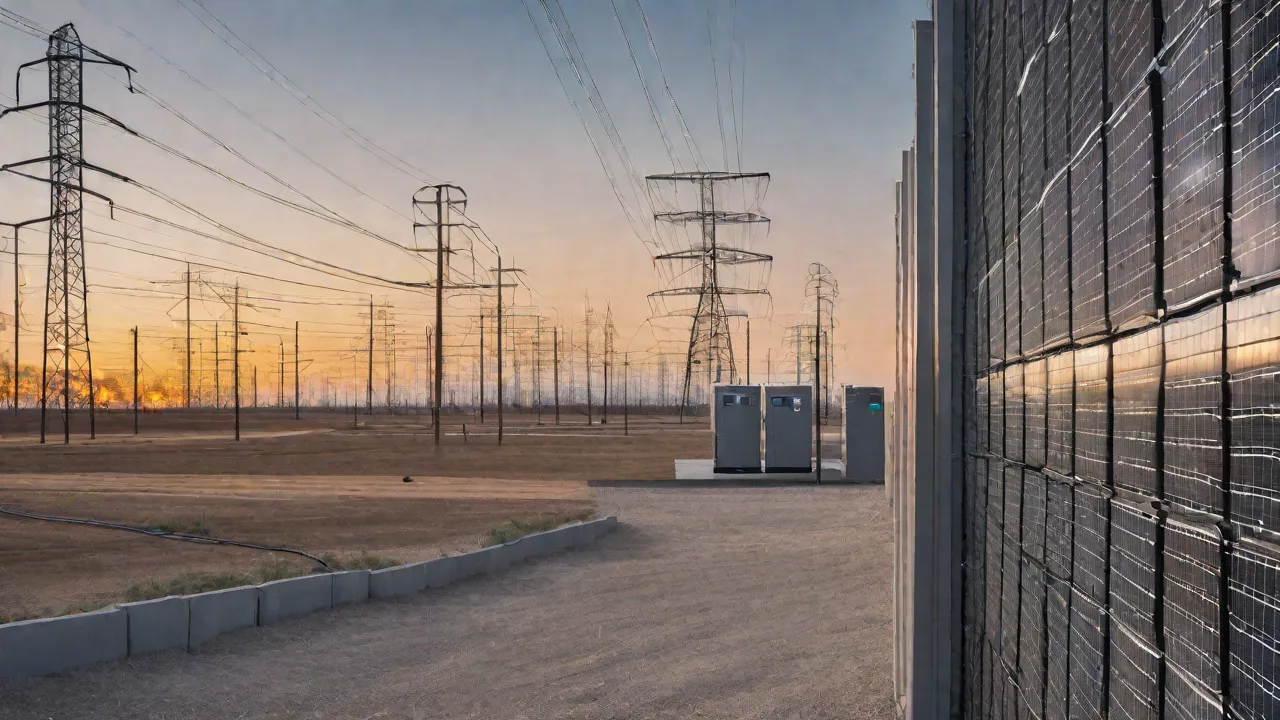
How Electric Utilities Are Investing in Distributed Energy Resources to Enhance Grid Stability
Electric utilities around the world are increasingly investing in distributed energy resources (DERs) to improve the stability and reliability of the electrical grid. These investments are driven by the need to integrate renewable energy, reduce outages, and meet evolving consumer demands.
What Are Distributed Energy Resources?
Distributed energy resources refer to small-scale units of local generation and storage that are connected to the grid. Common examples include solar panels, wind turbines, battery storage systems, and demand response technologies. Unlike traditional centralized power plants, DERs are located close to where energy is consumed.
Why Are Utilities Investing in DERs?
Utilities see DERs as a way to enhance grid stability by providing localized support and reducing stress on transmission lines. They also help integrate renewable energy sources, which are often intermittent, by offering storage and balancing capabilities. Additionally, DERs can improve resilience during outages and natural disasters.
Benefits of Distributed Energy Resources
- Enhanced reliability: Local resources can quickly respond to grid fluctuations.
- Reduced transmission costs: Less need for long-distance power transmission.
- Environmental benefits: Increased use of renewable energy reduces carbon emissions.
- Customer engagement: Consumers can participate in energy generation and management.
How Utilities Are Investing in DERs
Utilities are deploying various strategies to incorporate DERs into their grid operations. These include installing solar and wind projects, deploying large-scale battery storage, and implementing demand response programs. Many are also partnering with technology companies to develop smart grid solutions that facilitate real-time management of DERs.
Examples of Investment Strategies
- Utility-owned solar farms: Large solar installations that feed energy directly into the grid.
- Battery storage systems: To store excess renewable energy and supply it during peak demand.
- Demand response programs: Incentivizing consumers to reduce or shift their energy use during critical periods.
- Microgrids: Localized grids that can operate independently during outages.
The Future of DERs and Grid Stability
As technology advances, the role of distributed energy resources will become even more vital in maintaining a stable and resilient grid. Innovations in smart grid technology, energy storage, and artificial intelligence will enable utilities to optimize DER integration further. This shift supports a cleaner energy future and provides consumers with more control over their energy use.