How Electric Companies Are Incorporating Battery Storage Solutions to Improve Power Reliability
Electric companies around the world are increasingly turning to battery storage solutions to enhance the reliability of power supply. As demand for electricity grows and renewable energy sources like solar and wind become more prevalent, the need for efficient storage systems has never been greater.
The Importance of Battery Storage in Modern Power Grids
Battery storage plays a critical role in stabilizing power grids. It allows excess energy generated during periods of high production to be stored and released when demand is high or production is low. This helps prevent blackouts and ensures a consistent power supply for consumers.
Benefits of Battery Storage
- Enhanced Reliability: Reduces outages and stabilizes grid frequency.
- Integration of Renewables: Facilitates the use of renewable energy sources by storing excess generation.
- Cost Savings: Decreases reliance on costly peaking power plants.
- Emergency Backup: Provides backup power during outages or emergencies.
Recent Innovations and Projects
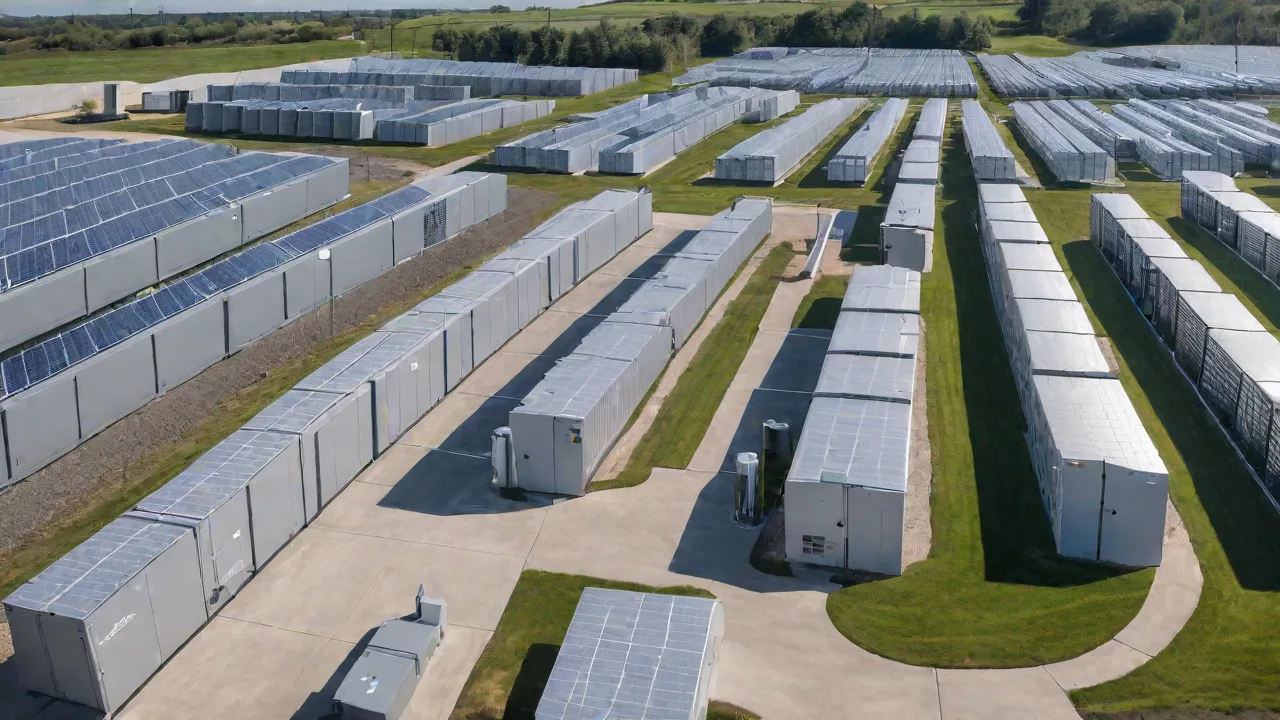
Many electric companies are investing in large-scale battery projects. For example, California's utility companies have deployed massive battery farms that can store hundreds of megawatt-hours of energy. These projects demonstrate how battery storage can be integrated into existing infrastructure to improve overall grid resilience.
Case Study: Tesla's Battery Solutions
Tesla's Powerpack and Megapack systems are leading examples of advanced battery storage. These systems are used worldwide to provide grid stability and support renewable integration. Their modular design allows for scalable solutions tailored to specific regional needs.
Future Outlook
As technology advances, battery storage is expected to become more affordable and efficient. Innovations in battery chemistry and management systems will further enhance their performance. Electric companies are likely to expand their use of storage solutions to create smarter, more resilient power grids for the future.