How Electric Companies Are Implementing Decentralized Power Generation to Increase Resilience
Electric companies around the world are increasingly adopting decentralized power generation systems to enhance the resilience of the electrical grid. This shift is driven by the need to reduce dependence on large, centralized power plants and to improve the ability to withstand natural disasters and other disruptions.
What Is Decentralized Power Generation?
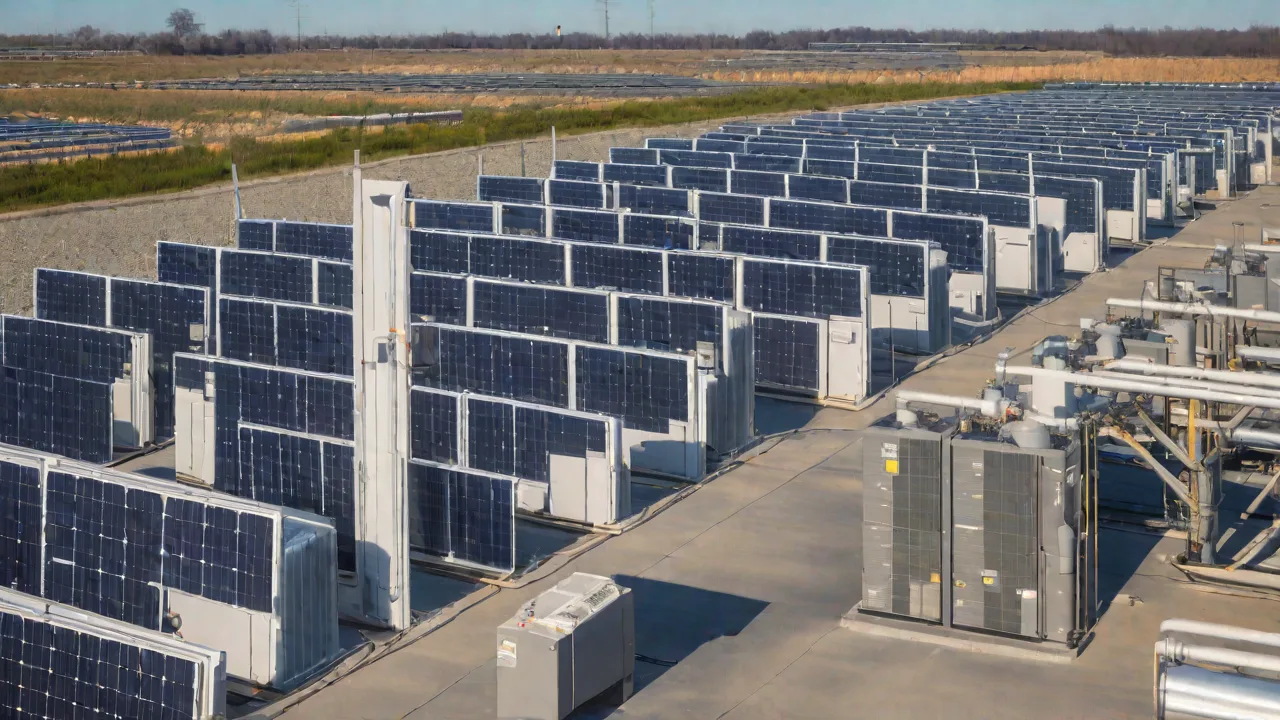
Decentralized power generation involves producing electricity close to where it is consumed, rather than relying solely on large, centralized power stations. This approach includes technologies like solar panels, wind turbines, small-scale hydro, and battery storage systems that are installed at homes, businesses, or local communities.
Benefits of Decentralization for Resilience
- Enhanced reliability: Local generation reduces the risk of widespread outages caused by failures at central plants.
- Faster recovery: Communities can quickly restore power using local sources after a disaster.
- Reduced transmission losses: Power is generated closer to where it is used, improving efficiency.
- Increased integration of renewable energy: Decentralized systems facilitate the adoption of sustainable energy sources.
Implementation Strategies
Electric companies are implementing decentralized systems through various strategies:
- Installing distributed energy resources (DERs): Such as solar panels and small wind turbines on customer sites.
- Developing microgrids: Local grids that can operate independently during outages.
- Upgrading infrastructure: Enhancing grid flexibility and integrating smart technology for better control and monitoring.
- Encouraging customer participation: Incentives for households and businesses to adopt renewable energy and storage solutions.
Challenges and Future Outlook
While decentralized power generation offers many benefits, it also presents challenges such as regulatory hurdles, initial costs, and technical complexities. However, advancements in technology and supportive policies are making it easier for electric companies to expand these systems.
In the future, increased adoption of decentralized generation is expected to significantly improve grid resilience, support the transition to renewable energy, and create more sustainable and reliable power systems worldwide.